
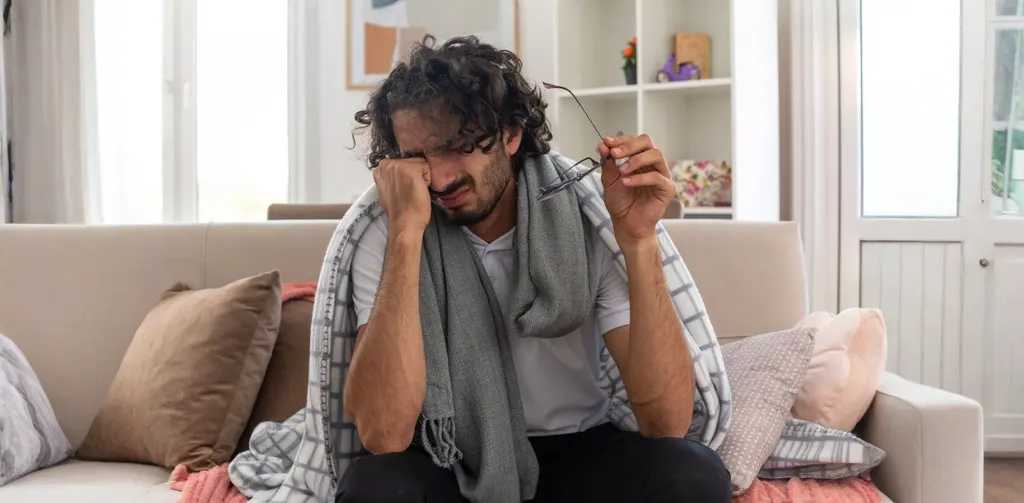
Seasonal Affective Disorder in Arizona: Why Sunshine Doesn’t Cancel It Out
Seasonal affective Disorderis an unusual condition for Arizona, but it does occur. The stereotype of an Arizonan is of someone who lives outdoors and loves the sunshine. Many people come to Arizona in the winter to escape gray, cold, and snowy skies. Yet each year in late fall and early winter, a stream of patients come into our clinic describing feelings of fatigue, irritability and low mood, symptoms that are identical to those described in textbooks for Seasonal Affective Disorder (SAD).
While it’s true that Arizona doesn’t lose as much daylight in the winter as states farther north of us, the amount of time we have to get outside to soak up that rays does decrease. The equivalent of about 4 hours less of sunlight per day is not insignificant, particularly for people whose moods are affected by the amount of natural light they receive. Couple that with less time at work and school, and less time spent outside to go for a walk, and yes, SAD does occur in AZ.
Yes, It Happens Here Too
SAD is an abbreviated form for a type of depression called Seasonal Affective Disorder or a “seasonal pattern” specifier of major depressive disorder. This type of depression occurs at the same time every yearand is most often seen in the late fall to winter months when days are at their shortest. People suffering from this form of depression report feeling of low energy and/or being overly tired, sleeping too much, increased cravings for carbohydrates (especially sweets), withdrawal from friends and activities, feeling of heaviness in arms and/or legs and general feeling of “blues” or feeling down that lifts with the change in seasons.
The Arizona-Specific Triggers Nobody Talks About
There is a well-recognized reverse-seasonal depressive pattern reported by individuals in extremely hot climates during the summer. This is thought to be due to individuals remaining inside in their air-conditioned cars and buildings for extended periods of time, without much natural light exposure. They cancel their outdoor activities and may even become depressed during the brief periods of overcast skies during the monsoon season, resembling symptoms of a person with SAD during the winter. This summer-patterned SAD is recognized clinically and affects many individuals in hot desert climates more than one would expect.
What Actually Helps
While a treatment of light therapy is still the front line of treatment for SAD, it can be effective in Tucson with the use of a 10,000 lux light box. The patient typically uses the light in the morning for 20-30 minutes. Do not attempt this or any form of treatment wihtout the guidance of a licensed Psychiatric Nurse Practitioner or doctor. Also, simply going outside for 15 minutes in the morning before leaving for work is enough to affect a person’s circadian rhythm to ward off symptoms of SAD. Natural light is much more effective at treating SAD than indoor lighting.
Then there are the basic interventions to treat SAD. Maintaining regular sleep, regular exercise, regular contact with others and monitoring alcohol intake are all good starting points. Monitoring Vitamin D levels are also important as sunshine does not equal adequate levels of Vitamin D. Most people are indoors during the majority of their daylight hours, which further hampers their ability to obtain adequate levels of Vitamin D.
Moderate to severe seasonal depression typically will require some form of treatment in the form of talk therapy and/or prescription medication, and typically patients experience the best results when using both in unison.
When to Reach Out
A low mood with a seasonal pattern can have a very real negative impact on a person’s life. SAD can be treated successfully like any other form of depression. We encourage you to contact us and schedule an evaluation to see if the feelings that you’re having are best explained by Seasonal Affective Disorder or some other cause. We’d like to help. Pima Behavioral Health serves the Tucson area and can be reached at 520-355-1122 or through our website at www.pimabh.com.